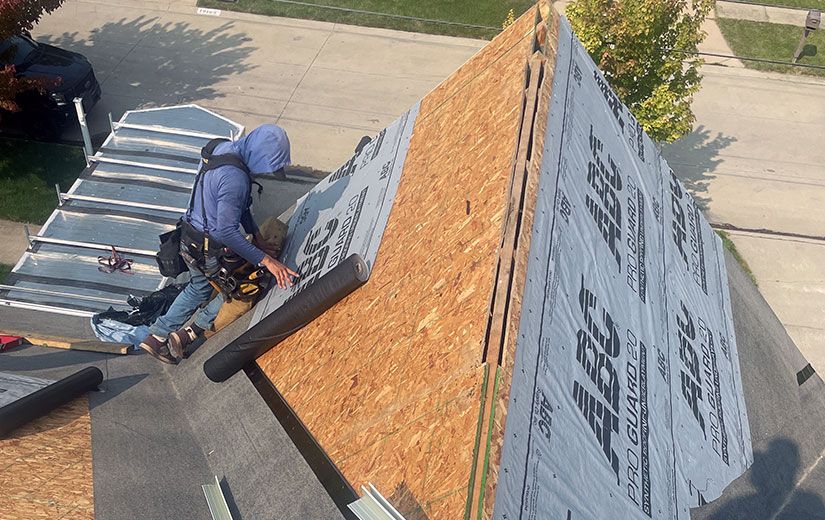

Michigan Weather and Your Roof: A Roofer's Guide for Saline & Ann Arbor Homeowners
Michigan weather puts residential roofs through some of the most punishing seasonal cycles in the country. Whether you own a Victorian in Saline's historic downtown or a newer build near the Saline High School corridor, your roof faces a relentless rotation of freeze, thaw, hail, and wind. Knowing the threats ahead of time helps you catch damage early and avoid a much bigger repair bill. If you need a trusted Roofer in Saline, MI, understanding these weather patterns is the first step.
How Michigan's Freeze-Thaw Cycles Damage Your Roof
Freeze-thaw cycles are one of the most destructive forces acting on Washtenaw County roofs every winter. When daytime temperatures creep above freezing and nights plunge back below, water works into every small crack and shingle seam. As that moisture refreezes, it expands and forces gaps wider, lifting shingles and loosening flashing over time.
This process repeats dozens of times between November and March. Older homes along US-12 and around downtown Saline may have brittle shingles that are especially vulnerable to gradual splitting. Even a roof that looks fine from the ground can have compromised underlayment and weakened decking underneath. Consulting a qualified Roofer after each winter season is a smart habit for any Washtenaw County homeowner.
Signs of Freeze-Thaw Damage to Watch For
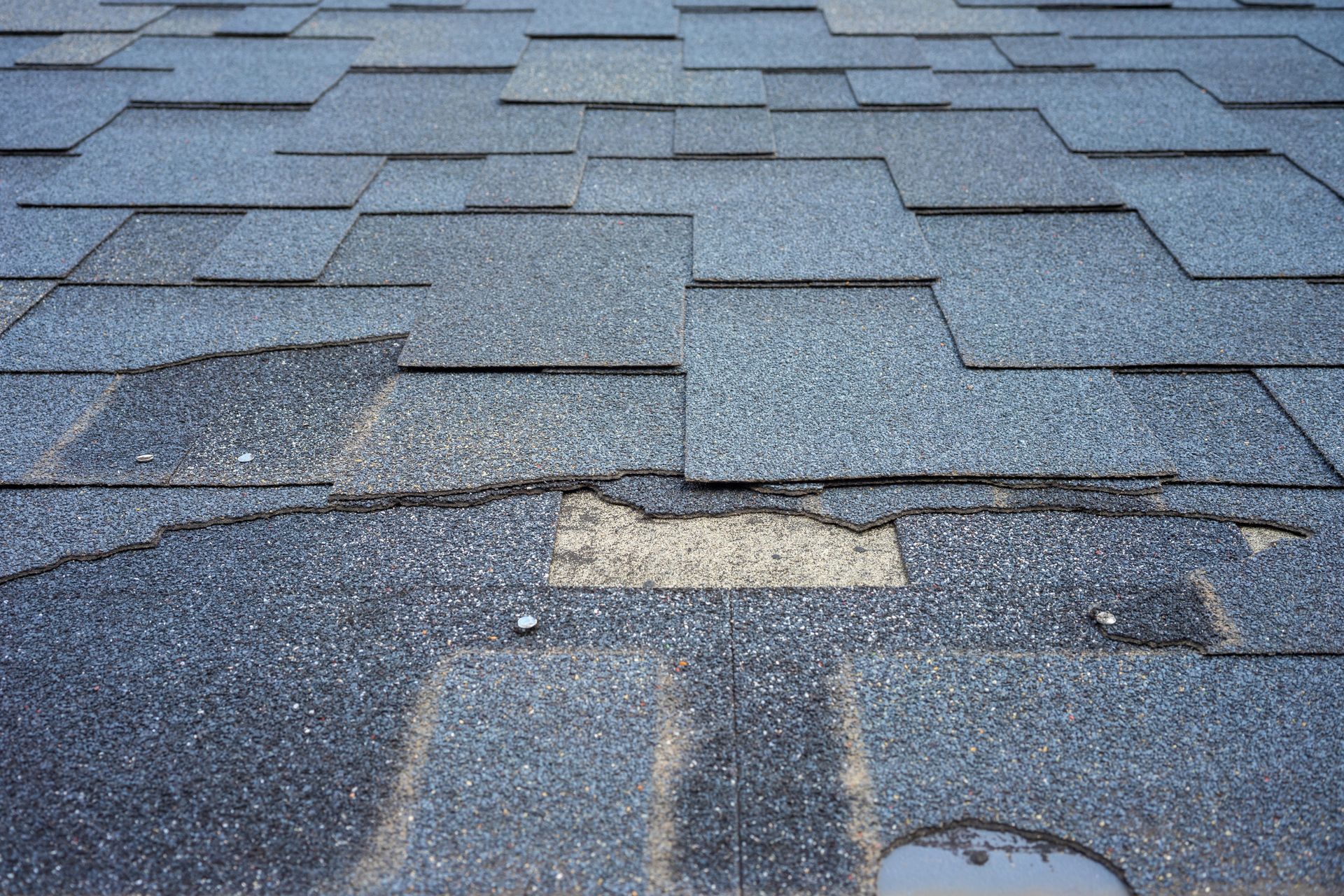
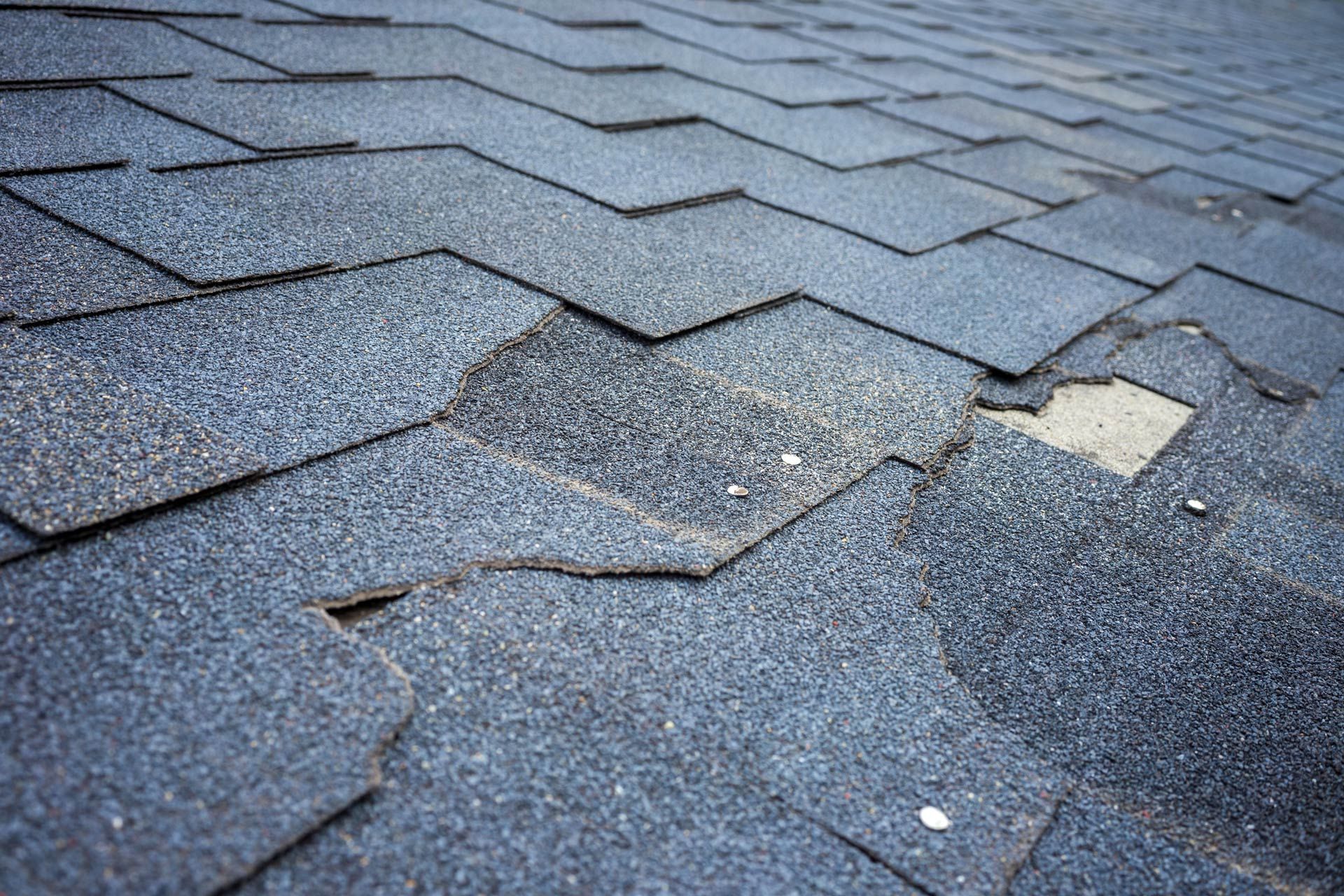
▸Shingles that appear cracked, curled, or lifted at the edges.
▸Granules collecting in gutters or at the base of downspouts.
▸Dark staining or soft spots on the roof deck visible from the attic.
▸Flashing that has separated from chimneys, skylights, or vents.
Ice Dam Formation in Washtenaw County Winters
Ice dams form when heat escaping from your attic warms the upper roof surface, melting snow that flows toward the colder eaves and refreezes into a ridge of ice. That ridge blocks drainage, and trapped meltwater backs up under shingles and into your home. Saline homeowners with older attic insulation are particularly at risk, since heat loss is the root cause of most ice dam problems.
Washtenaw County sees lake-effect snow from both Lake Michigan and Lake Erie systems, meaning significant snowpack can accumulate quickly. By February, an ice dam can cause water-stained ceilings, lifted shingles, damaged gutters, and mold growth inside wall cavities. Proper attic ventilation is key to prevention. Visit the attic ventilation page for details on how airflow protects your roof from the inside out.
What Does an Ice Dam Look Like?
Large icicles hanging from gutters are often the first visible sign. They can look harmless, but icicles typically signal that drainage has been compromised and that an ice dam may already be forming above. Interior signs include water stains near exterior walls and drips from ceiling fixtures during or after warm spells.
Hail Season Timing in the Ann Arbor and Saline Area
Hail season in Washtenaw County runs from spring through summer, with August historically being the peak month near Ann Arbor and Saline. Storms in this area have produced hailstones measuring 1.5 inches or larger, which is enough to crack standard asphalt shingles on impact.
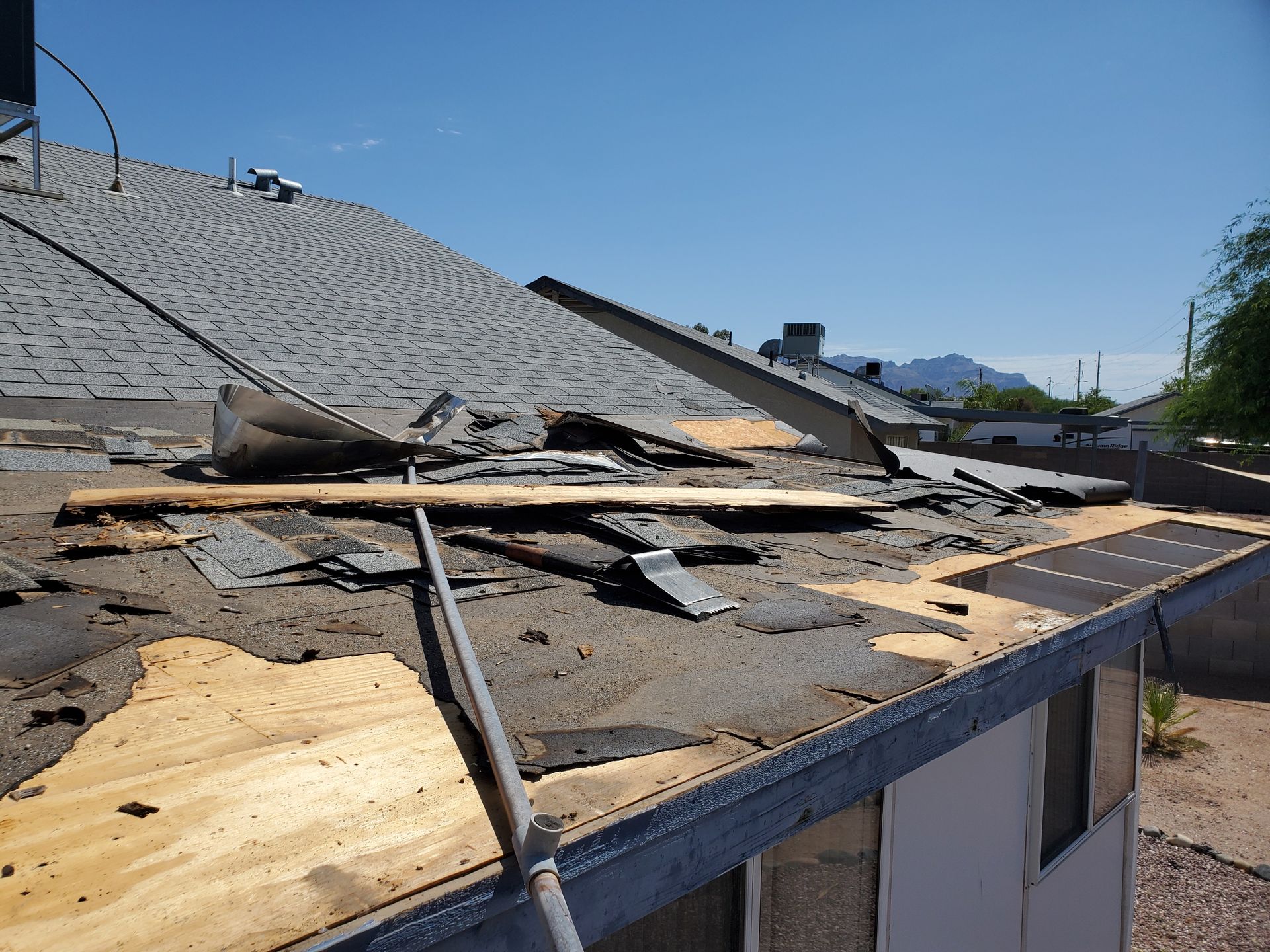
The compounding problem is that hail damage often sets up more serious failure later. A shingle cracked by a June hailstorm may not leak immediately, but winter freeze-thaw cycles will force water into that fracture and widen it significantly. What starts as a manageable repair can become a premature full replacement if left uninspected. Having a local Roofer evaluate your roof after any significant storm is the best way to catch these issues before they compound.
What Does Hail Damage Look Like on Shingles?
▸Circular dents or dark bruising on asphalt shingles, often surrounded by missing granules.
▸Cracked or split shingles, more common with hailstones over one inch in diameter.
▸Dents on metal flashing, gutters, or vents indicating the storm was severe enough to affect the roof surface.
▸Granule loss that exposes the asphalt mat underneath, accelerating shingle aging.
If you see damage on gutters or siding after a storm, the roof was likely affected as well.
When to Call a Roofer vs. File an Insurance Claim
Calling a qualified roofing professional should always be the first step after any storm event. A roofer can document damage with photos and an inspection report, which is what your insurance company will need if the damage qualifies as sudden and accidental. Most standard homeowner policies in Michigan cover hail and wind damage to shingles, underlayment, and flashing, but timing matters. Delays in filing can reduce your payout or close the claim window entirely.
For smaller issues like a handful of missing shingles or minor flashing separation, repair without a claim may be the better option. For widespread damage after a significant hail event, a full replacement claim may be appropriate. A professional inspection will help you decide before you contact your insurer. You can review the roof repair service for Saline, MI to get a sense of what a local inspection covers.
Protect Your Saline Home With an Expert Roof Inspection
Michigan weather does not give roofs a rest, and homeowners in Saline, MI, should not wait for an active leak to act. Catching storm damage, ice dam deterioration, or freeze-thaw cracking early almost always costs less than waiting until damage reaches your interior. PD Home Exteriors is a GAF-certified roofing contractor based in Saline, with over 30 years of experience serving Washtenaw County homeowners. The team understands local weather patterns, building codes, and the kinds of roofs found throughout the Saline and Ann Arbor area. To schedule a free inspection or get a quote, contact the team today or call (888) 582-2343.